Wright Sinus Choice

Post Nasal Drainage

A sick woman with red nose and tired expression sits in bed, tissues, water, and phone on a nightstand.

What Is Post Nasal Drainage?

Your nose and sinuses produce mucus continuously. Most of the time, this mucus quietly drains down the back of the throat without you ever noticing it. It keeps the nasal passages moist, traps airborne particles, and helps protect the respiratory system from bacteria and viruses.

Post nasal drainage, also called post nasal drip, occurs when this mucus production becomes excessive or the mucus itself becomes thicker than usual. Instead of passing through unnoticed, it accumulates at the back of the throat, triggering irritation, coughing, and that persistent need to swallow or clear the throat.

Excess mucus in the throat is not a condition on its own. It is almost always a symptom of an underlying issue, which is why identifying the cause matters so much when it comes to finding effective relief.

Symptoms Associated with Post Nasal Drainage

Because post nasal drainage affects the throat, voice, breathing, and sleep, its symptoms can show up in a variety of ways. Patients often describe one or more of the following:

  • Frequent throat clearing that feels necessary but does not fully resolve the sensation
  • Persistent cough, particularly one that worsens when lying down
  • Sore or scratchy throat that is not associated with illness
  • Excess mucus in the throat, especially in the morning
  • Hoarseness or voice changes caused by mucus irritating the vocal cords
  • Bad breath resulting from bacteria in pooled mucus
  • Nasal congestion that makes breathing through the nose difficult
  • Difficulty sleeping, often due to coughing or the need to constantly swallow

These symptoms may seem minor individually, but together they can significantly affect focus, energy, communication, and overall well-being.

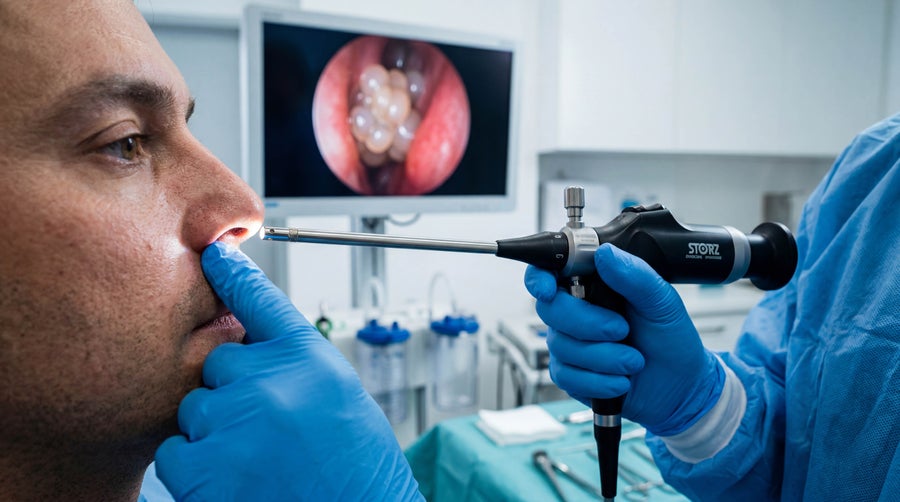
An ENT doctor in scrubs and a headlamp performs a nasal endoscopy on a patient.

When to See an ENT Specialist

Many people try over-the-counter remedies first, and in some cases, these provide temporary relief. However, there are situations where professional evaluation is the right move.

You should consider seeing an ENT doctor in Edinburg, TX if:

  • Symptoms have lasted longer than three to four weeks without improvement
  • Over-the-counter medications provide little to no relief
  • Symptoms interfere with sleep, work, or daily activities
  • You experience recurring sinus infections or upper respiratory illnesses
  • The cough or throat clearing is becoming more frequent or severe
  • You notice blood-tinged mucus, significant facial pressure, or changes in smell

Chronic post nasal drip rarely resolves on its own when an underlying condition is driving it. Addressing the source of the problem is what leads to meaningful improvement.

A smiling pediatrician uses an otoscope to examine a baby's ear, held by her mother, in a doctor's office.

Diagnosing the Cause of Post Nasal Drainage

At Wright Sinus Choice, we take a thorough approach to understanding why each patient is experiencing sinus drainage issues. There is no one-size-fits-all diagnosis when it comes to post nasal drip, and a careful evaluation makes all the difference.

Medical History Review

We begin by learning about your symptoms in detail, including when they started, what makes them better or worse, and what treatments you have already tried.

Physical Examination

A hands-on examination of the nasal passages, throat, and ears helps us identify visible signs of inflammation, structural issues, or infection.

Nasal Endoscopy

When a closer look is needed, nasal endoscopy allows us to visualize the interior of the nasal passages and sinus openings using a small camera. This can reveal polyps, structural abnormalities, or signs of chronic sinusitis not visible from the outside.

Allergy Evaluation

Since allergies are one of the most common contributors to chronic post nasal drainage, allergy testing helps us determine which specific triggers are affecting you.

Sinus Imaging

In some cases, imaging such as a CT scan of the sinuses provides a detailed look at sinus anatomy and can reveal blockages or disease not captured through physical examination alone.

A female healthcare provider comforting a male teenager in a clinic exam room, holding an otoscope.

Post Nasal Drainage Treatment Options

Once we have a clear picture of what is causing your symptoms, we develop a treatment plan tailored specifically to your situation. Treatment for post nasal drainage varies depending on the underlying cause, and it often involves a combination of approaches.

Allergy Management

For patients whose post nasal drip is driven by allergies, targeted allergy treatment can dramatically reduce mucus overproduction. This may include antihistamines, immunotherapy, or other allergy-specific interventions.

Nasal Sprays

Prescription nasal corticosteroid sprays reduce inflammation in the nasal lining and are often highly effective for allergy and sinusitis-related drainage. Antihistamine nasal sprays are another option for certain patients.

Saline Irrigation

Regular nasal rinsing with saline solution helps flush excess mucus, allergens, and irritants from the nasal passages. It is a simple, effective tool for managing ongoing sinus drainage.

Sinus Infection Treatment

If a bacterial sinus infection is present, antibiotic therapy may be appropriate. Chronic sinusitis may require a more comprehensive approach including longer treatment courses or procedural options.

Lifestyle Modifications

Staying well hydrated helps keep mucus thinner and easier to clear. Adjusting humidity levels at home, identifying and reducing exposure to environmental irritants, and maintaining good nasal hygiene can all support recovery.

Reflux Management

When acid reflux is a contributing factor, dietary changes, positional adjustments, and medication to reduce stomach acid can significantly improve post nasal drip symptoms.

Personalized Treatment Plans

Every patient's situation is different. We do not rely on generic protocols. Our goal is to understand what is happening in your specific case and design a plan that addresses it directly.

Woman with red nose and watery eyes, holding tissues, suffering from allergies on a spring day with pollen in the air.

Why Choose Wright Sinus Choice for Post Nasal Drainage Treatment

Patients in Edinburg, TX choose Wright Sinus Choice because we focus specifically on sinus, allergy, and ENT-related conditions. This focus shapes everything about how we practice, from the depth of our evaluations to the way we communicate with patients.

Specialized ENT Care

Our practice centers entirely on sinus, nasal, and allergy conditions. We bring focused knowledge to every evaluation, which means patients receive care that is both informed and thorough.

Comprehensive Evaluations

We take the time to understand your full picture, not just your most prominent symptom. This matters because post nasal drainage often has more than one contributing factor.

Advanced Diagnostic Technology

From nasal endoscopy to sinus imaging, we use diagnostic tools that allow us to see what standard examinations might miss.

Personalized Treatment Plans

Your plan is built around your specific condition, your lifestyle, and your goals. We explain your options clearly so you can make informed decisions about your own care.

Convenient Location in Edinburg, TX

Our office serves patients from Edinburg and throughout the Rio Grande Valley, making it straightforward to access quality ENT care close to home.

The Connection Between Allergies, Sinus Problems, and Post Nasal Drainage

Allergies, sinus disease, and post nasal drainage are closely linked, and in many patients, they feed into one another in a cycle that is difficult to break without proper treatment.

Untreated allergies cause ongoing nasal inflammation that disrupts how mucus is produced and cleared. This inflammation can set the stage for recurring sinus infections, which further worsen drainage and symptoms. As the cycle continues, what started as occasional throat clearing can develop into chronic post nasal drip that significantly impacts daily life.

Patients in Edinburg, TX and throughout the Rio Grande Valley often deal with high allergen exposure due to the regional climate and vegetation. Understanding this local context is an important part of how we approach care at Wright Sinus Choice.

Treating allergies and sinus conditions together, rather than addressing symptoms in isolation, is what allows many patients to finally achieve lasting relief.

Four medical professionals, two men and two women, collaborate around a laptop in a bright modern office.

Common Causes of Post Nasal Drainage

Post nasal drainage can stem from a wide range of conditions, and in many cases, more than one contributing factor is involved.

1 Seasonal and Environmental Allergies

Allergens such as pollen, dust mites, mold, and pet dander trigger an immune response in the nasal passages. This response increases mucus production and leads to the classic symptoms of post nasal drip. For many patients in Edinburg, TX, the warm climate and seasonal shifts in vegetation make allergy-driven post nasal drainage a year-round challenge.

2 Sinus Infections and Chronic Sinusitis

When the sinuses become infected or inflamed, mucus drainage is often disrupted. Acute sinus infections can cause a temporary surge in post nasal drip, while chronic sinusitis may lead to ongoing drainage that persists for months or longer.

3 Upper Respiratory Infections

The common cold and similar viral infections temporarily increase mucus production. In most cases, post nasal drainage from a respiratory infection resolves within a few weeks. When it does not, further evaluation is warranted.

4 Deviated Septum

A displaced nasal septum can interfere with how air and mucus flow through the nasal passages. This structural issue can make drainage less efficient and contribute to chronic post nasal drip symptoms.

5 Dry Air

Low humidity, particularly in air-conditioned environments common throughout South Texas, can thicken mucus and make it harder for the body to clear naturally. This leads to that sticky, uncomfortable sensation at the back of the throat.

6 Acid Reflux (GERD and LPR)

Gastroesophageal reflux disease (GERD) and laryngopharyngeal reflux (LPR) can produce symptoms that closely mimic post nasal drainage, including throat clearing, coughing, and a sensation of mucus buildup. In these cases, the issue originates in the digestive system rather than the sinuses.

7 Weather Changes and Environmental Irritants

Sudden shifts in temperature, wind, smoke, chemical fumes, and strong odors can all irritate the nasal lining and stimulate excess mucus production.

Frequently Asked Questions

Yes. Allergies are one of the most frequent causes of post nasal drip. When the immune system reacts to allergens like pollen, dust, or pet dander, it triggers nasal inflammation and increased mucus production, both of which contribute to drainage symptoms.

Schedule Your Post Nasal Drainage Evaluation in Edinburg, TX

Persistent throat clearing, ongoing coughing, and the constant feeling of mucus in the back of your throat are not things you simply have to live with. When symptoms become a regular part of your day, the most productive step is finding out why.

Wright Sinus Choice provides focused sinus, allergy, and ENT care for patients in Edinburg, TX and across the Rio Grande Valley. Our team takes a careful, individualized approach to evaluating and treating post nasal drainage so you can get answers and move toward relief.

If post nasal drip is affecting your sleep, your voice, your breathing, or your daily comfort, contact us today to schedule a consultation. We are here to help you understand what is happening and work with you on a path forward.