
Wright Sinus Choice

Sleep Apnea

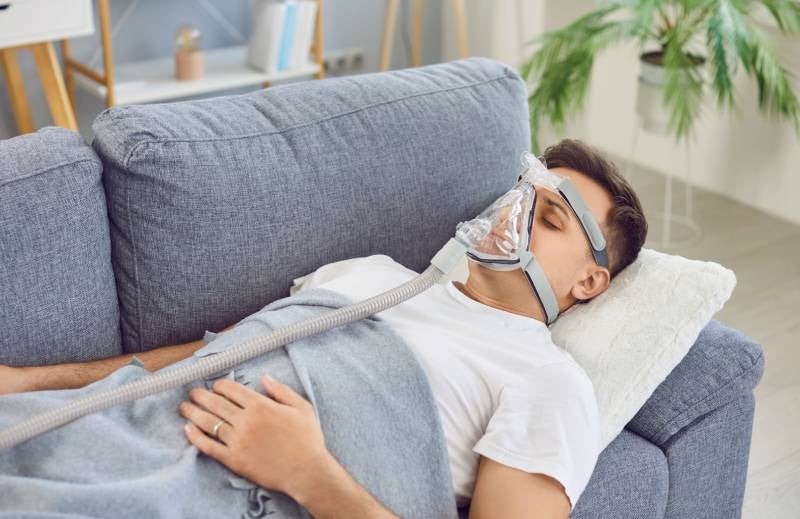
A man sleeping on a gray couch wearing a full-face CPAP mask with a tube extending down his body.

What Is Sleep Apnea?

Sleep apnea is a sleep disorder in which breathing repeatedly stops and starts throughout the night. These interruptions can last several seconds or longer and may occur dozens or even hundreds of times during a single night, often without the person being aware of it.

There are two primary types:

Obstructive Sleep Apnea (OSA)

The most common form. It occurs when the muscles in the throat relax during sleep, causing the soft tissue at the back of the throat to collapse and block the airway. OSA is frequently linked to ENT-related conditions such as enlarged tonsils, a deviated septum, or chronic nasal congestion.

Central Sleep Apnea

Less common, this type occurs when the brain fails to send proper signals to the muscles that control breathing. It is often associated with underlying neurological or cardiovascular conditions.

When left untreated, sleep apnea places significant strain on the cardiovascular system, raises blood pressure, and increases the risk of heart disease, stroke, and metabolic disorders. It also affects mental clarity, mood, and the ability to function safely during the day.


Common Signs and Symptoms of Sleep Apnea

Sleep apnea does not always announce itself clearly. Many people are unaware they have it until a partner notices something unusual during sleep. Some of the most commonly reported signs and symptoms include:

  • Loud, persistent snoring that disrupts others in the household.
  • Pauses in breathing observed by a bed partner or family member.
  • Gasping or choking sounds during sleep.
  • Waking up with a dry mouth or sore throat.
  • Morning headaches that seem to have no clear cause.
  • Excessive daytime sleepiness, even after a full night in bed.
  • Difficulty concentrating at work or school.
  • Irritability, mood swings, or increased anxiety.
  • Poor overall sleep quality despite spending adequate hours in bed.

If these symptoms sound familiar, they deserve attention. Snoring and sleep disruption are not just minor nuisances; they can point to a pattern of interrupted breathing that affects your body in ways you may not fully recognize.

A woman covering her ears in bed while a man sleeps soundly behind her.

Risk Factors for Sleep Apnea

Certain factors make a person more likely to develop sleep apnea. Understanding these can help determine whether an evaluation is appropriate.

  • Excess weight: Fatty tissue around the neck and throat can narrow the airway and increase the likelihood of obstruction during sleep.
  • Family history: Sleep apnea can run in families, suggesting a genetic component related to airway anatomy.
  • Enlarged tonsils or adenoids: Particularly common in children, but also relevant in adults, enlarged tissue in the throat can physically obstruct airflow.
  • Nasal obstruction: Chronic congestion, a deviated septum, or nasal polyps can force mouth breathing and contribute to airway collapse during sleep.
  • Age: The risk of sleep apnea increases with age, as muscle tone in the throat decreases naturally over time.
  • Smoking: Smoking irritates and inflames the upper airway, increasing swelling and fluid retention that can worsen breathing during sleep.
  • Alcohol consumption: Alcohol relaxes throat muscles, making it easier for the airway to collapse during sleep.
  • Certain medical conditions: Hypothyroidism, polycystic ovary syndrome, and other conditions are associated with a higher risk of sleep apnea.
A restless man with dark circles under his eyes lies awake in bed, illuminated by a warm bedside lamp.

When to See a Sleep Apnea Specialist

Many people put off seeking help for sleep problems, assuming fatigue is just part of a busy lifestyle. But there are specific signs that warrant a professional evaluation sooner rather than later.

You should consider seeing a sleep apnea specialist if you:

  • Snore loudly on a regular basis.
  • Have been told you stop breathing during sleep.
  • Wake up frequently throughout the night for no clear reason.
  • Feel unrefreshed in the morning despite adequate sleep.
  • Struggle to stay awake during daily activities like driving or working.
  • Experience persistent morning headaches or a dry, sore throat upon waking.
  • Have been diagnosed with high blood pressure or heart-related conditions without a clear explanation.

Patients throughout the Rio Grande Valley are encouraged not to dismiss these symptoms. Early evaluation can prevent complications and lead to meaningful improvements in daily life.

A medical professional writing on a clipboard while speaking with a patient in a modern treatment room.

Why Choose Wright Sinus Choice for Sleep Apnea Treatment in Edinburg, TX

Patients across the Rio Grande Valley choose Wright Sinus Choice for sleep apnea care for reasons that go beyond geography.

Specialized ENT focus

The practice brings a deep understanding of how nasal and throat conditions interact with sleep and breathing, offering a more complete picture than a general sleep clinic alone might provide.

Comprehensive evaluations

No symptom is dismissed or overlooked. Each patient receives a thorough evaluation that considers the full scope of their health history and airway anatomy.

Advanced diagnostic technology

Modern tools support accurate diagnosis and help determine the most appropriate treatment path for each individual.

Personalized treatment plans

There is no cookie-cutter approach here. Treatment is built around the patient's unique condition, lifestyle, and goals.

Focus on long-term improvement

The aim is not just to manage symptoms temporarily, but to address contributing factors and support lasting changes in sleep quality and health.

Conveniently located in Edinburg, TX

Serving patients throughout the Rio Grande Valley, Wright Sinus Choice provides accessible, high-quality care close to home.

The Connection Between ENT Conditions and Sleep Apnea

One of the most important, and often overlooked, aspects of sleep apnea management is the relationship between ENT health and breathing during sleep. The nose and throat are the gateway to the airway, and when they are compromised, sleep suffers.

Common ENT-related contributors to sleep apnea include:

  • Nasal congestion and rhinitis: Chronic inflammation of the nasal passages reduces airflow and forces mouth breathing, which increases the risk of airway collapse.
  • Deviated septum: A crooked nasal septum can significantly restrict airflow through one or both nostrils, compounding breathing difficulties during sleep.
  • Enlarged tonsils and adenoids: Excess tissue in the throat physically reduces the space available for airflow, especially when lying down.
  • Sinus problems: Ongoing sinus conditions can lead to chronic nasal blockage and postnasal drip, both of which affect nighttime breathing patterns.
  • Nasal polyps: Small, benign growths in the nasal passages can obstruct airflow and make it harder to breathe through the nose.

Addressing these underlying ENT conditions is sometimes the key to unlocking better sleep, even in patients who have tried other sleep apnea treatments without full success.

Four medical professionals, two men and two women, collaborate around a laptop in a bright modern office.

1 Diagnosing Sleep Apnea

Reaching an accurate diagnosis involves more than a single test. At Wright Sinus Choice, the diagnostic process is designed to be thorough, individualized, and informative.

2 Medical History Review

The process typically begins with a detailed conversation about your sleep patterns, daytime symptoms, medical history, and lifestyle factors. This helps paint a complete picture of what may be contributing to your symptoms.

3 Physical Examination

A careful physical examination focuses on the nasal passages, throat, palate, tonsils, and overall airway anatomy. ENT evaluations are especially valuable because many cases of obstructive sleep apnea are directly related to structural issues in the nose, throat, or sinuses.

4 Sleep Studies

A formal sleep study, known as polysomnography, records brain activity, oxygen levels, heart rate, breathing patterns, and body movement while you sleep. This provides detailed data used to confirm a diagnosis and measure the severity of the condition.

5 Home Sleep Testing

In some cases, a home sleep test may be an appropriate option. These portable monitoring devices allow patients to be evaluated in the comfort of their own home, which can be particularly convenient for those with busy schedules or mobility limitations.

6 Sleep Apnea Treatment Options

There is no one-size-fits-all solution for sleep apnea. The right treatment depends on the type and severity of the condition, the underlying causes, and your personal health history and preferences. The goal is always to reduce breathing interruptions, improve sleep quality, and support long-term health.

7 CPAP Therapy

Continuous Positive Airway Pressure therapy remains one of the most widely used treatments for moderate to severe obstructive sleep apnea. A CPAP machine delivers a steady stream of pressurized air through a mask worn during sleep, keeping the airway open throughout the night. Many patients find significant relief with CPAP when properly fitted and guided.

8 CPAP Alternatives and Oral Appliance Therapy

For those who find CPAP difficult to tolerate, oral appliance therapy is a well-established alternative. Custom-fitted devices worn in the mouth reposition the jaw and tongue to help maintain an open airway during sleep. These are particularly useful for patients with mild to moderate OSA.

9 Lifestyle Modifications

Changes in daily habits can make a meaningful difference. Weight loss, reducing alcohol intake, quitting smoking, and adjusting sleep position have all been shown to reduce the frequency and severity of sleep apnea episodes for some patients.

10 Nasal and Airway Treatments

Because nasal obstruction plays a significant role in many cases of sleep apnea, treating underlying nasal conditions can improve nighttime breathing. Medications, nasal rinses, or interventions targeting sinus congestion and nasal inflammation may be part of a broader treatment plan.

11 Surgical Options

When structural abnormalities in the airway are contributing to sleep apnea and other treatments have not provided adequate relief, surgical options may be considered. These are discussed carefully on a case-by-case basis, with a focus on minimizing risk and supporting recovery.

12 Personalized Treatment Planning

Every patient's situation is different. The most effective outcomes come from a treatment plan tailored to the individual, one that accounts for the root causes of the condition and fits realistically into the patient's lifestyle.

Frequently Asked Questions

Diagnosis typically involves a medical history review, a physical examination of the nose and throat, and a sleep study. Depending on the patient's situation, the sleep study may be conducted in a clinical setting or at home using a portable monitoring device.

Schedule Your Sleep Apnea Evaluation in Edinburg, TX

Sleep apnea is treatable, and the right care can genuinely change how you feel every day. If you have been living with poor sleep, persistent fatigue, or symptoms that point to a sleep-related breathing problem, do not wait to get answers.

Contact Wright Sinus Choice today to schedule a comprehensive sleep apnea evaluation. Our team is here to listen, evaluate your unique situation, and help you explore the treatment options that make the most sense for your health and your life. Patients throughout Edinburg, TX and the Rio Grande Valley are welcome to reach out and take that first step toward better sleep.

Call us or request an appointment online. Your sleep matters, and so does your health.